
‘Intertain Series’
Andrew Billingslea. 12/2025.
[8.5"x11"]
-
For my final closing sequence assignment in FFC 705, I decided to explore more experimental propositions, aiming to build upon the digital cyanotypes/transparencies generated for the cyanotype lab, seeking to create images that are made in a mindful & sustainable manner rooted in the school's guiding principles of sustainability to create images that are environmentally low-impact and can otherwise be composted or disposed of in eco-conscious ways. I wanted to experiment further with this final collection of digital cyanotypes and create more abstract works that aimed to compile 6-9 different images into one look to create a sort of ‘chaotic calmness’, utilizing a wider range of layering and colour to take these notions of layering transparencies beyond what is capable in the physical realm without producing many iterations in the process.
The ‘Intertain Series’ was completed over several days to challenge how far I could push the image's boundaries. I sought to evoke sensations of wonder, imagination and longing (to which is to the viewer's interpretation). The title is a play on the word ‘entertainment’, in the sense that you cater to an audience; it invites more interpersonal reflections and a deeper vision within oneself. After I generated my final digital cyanotypes, I printed them onto tissue paper, backed the paper with laser printer paper for stability, trimmed it, and then scanned them on my printer for submission.
‘C4URSLF'
Andrew Billingslea. 11/2025.
[8.5”x6” - Closed]
-
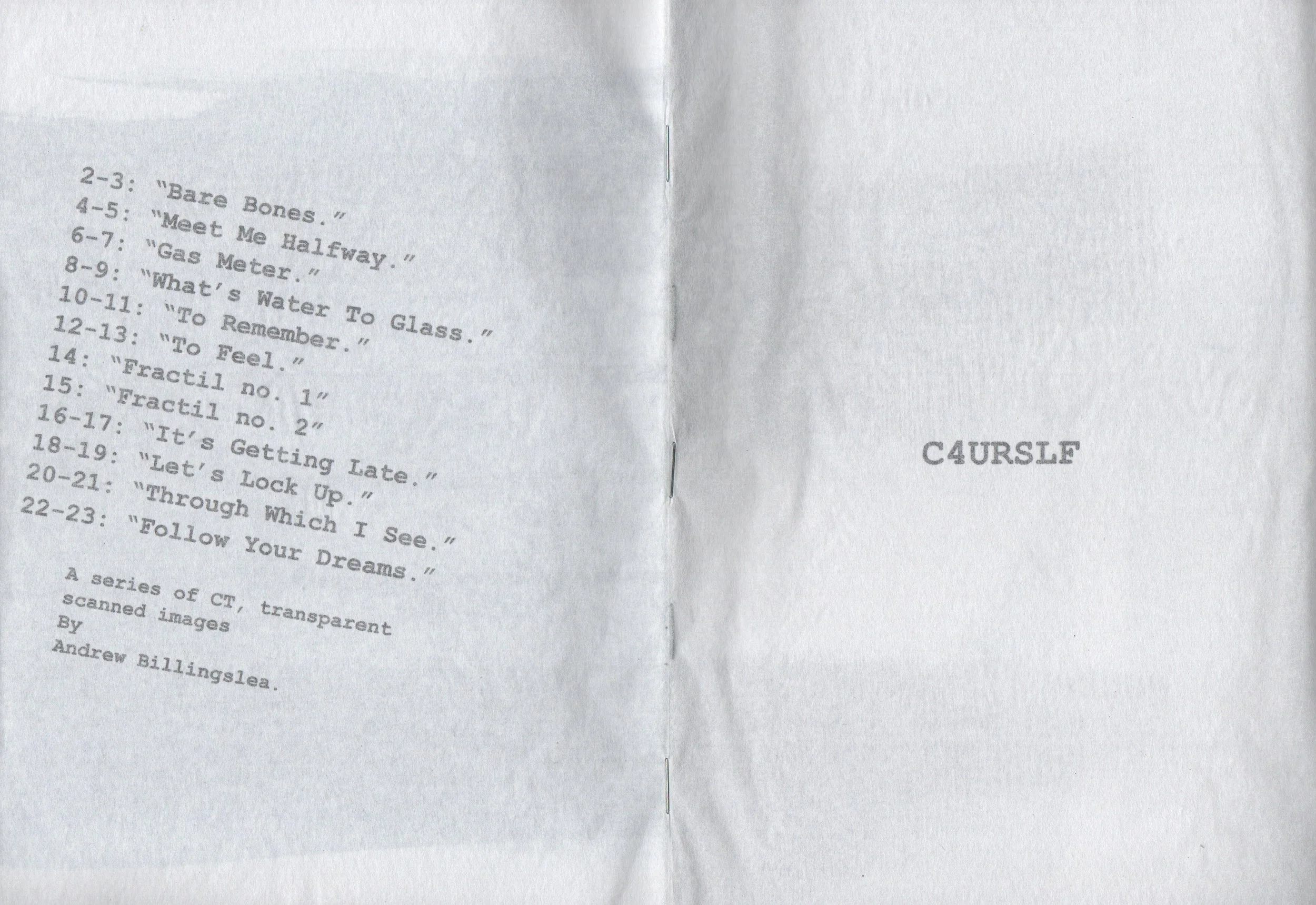
For my Sketchbook: From Experiments to Zine assignment, I generated a 22-page visual magazine entitled, C4URSLF, primarily using full-page spreads to showcase a mix of cyanotypes, transparencies and layered images I created throughout FFC 705.
The arrangement and deliberate naming of the titles guide the viewer through a curated, melancholic, dream-like reality altered by layering and interaction with the elements, primarily water, offering a sight and vantage point from my own perspective regarding the emotion invoked by the inanimate and mundane expressed through mixed media.
The final completed work is 22 pages, full colour, hand-printed & bound by me at home on legal-sized paper (8.5” by 14”), finished with an outer tissue paper layer that plays into the notion of the title and the nature of the layering practices used to create the imagery. By distorting the paper, you can make the text disappear and conversely, C4URSLF.
[Explore the full work below]
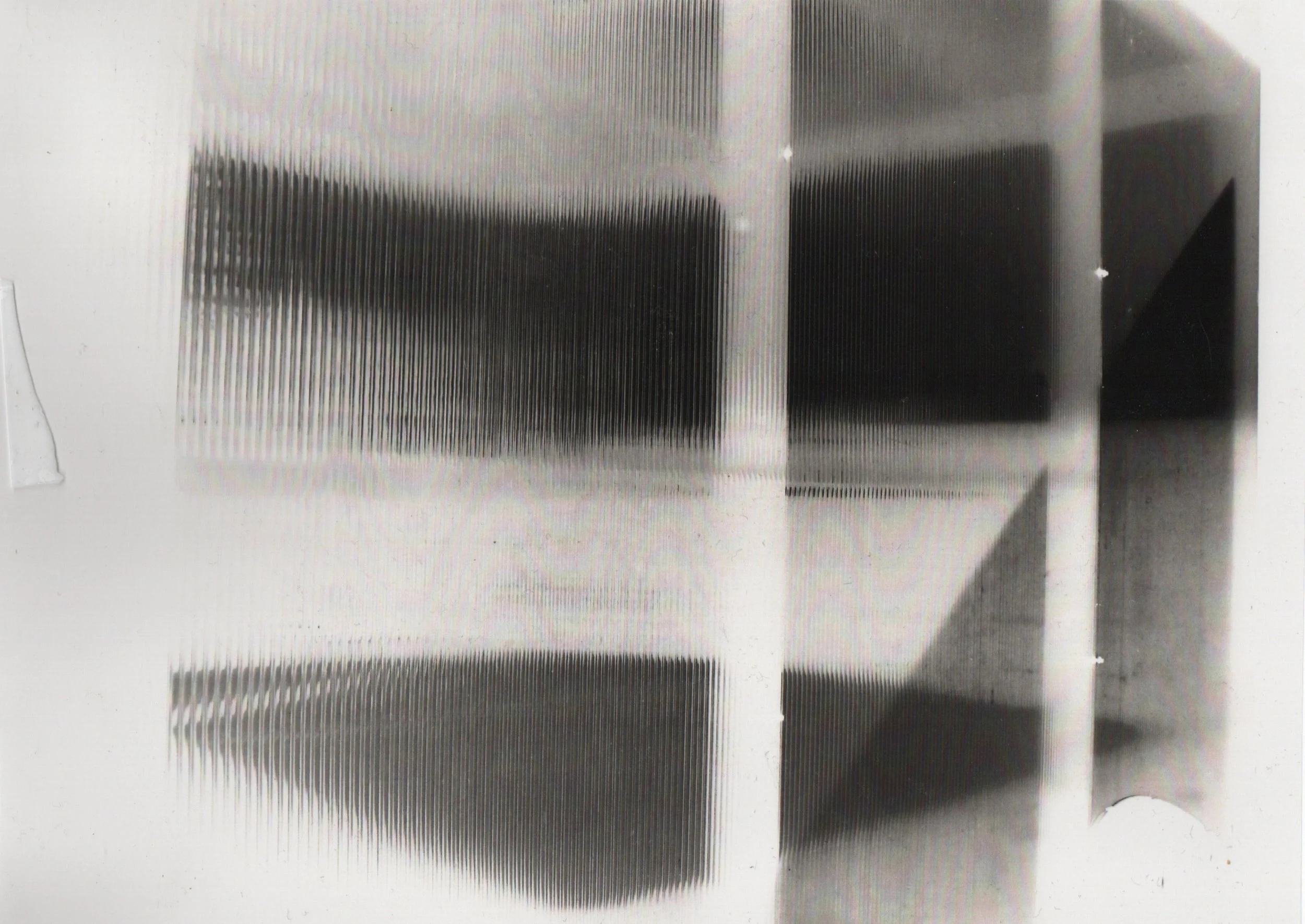
"Bare Bones." 2-3.
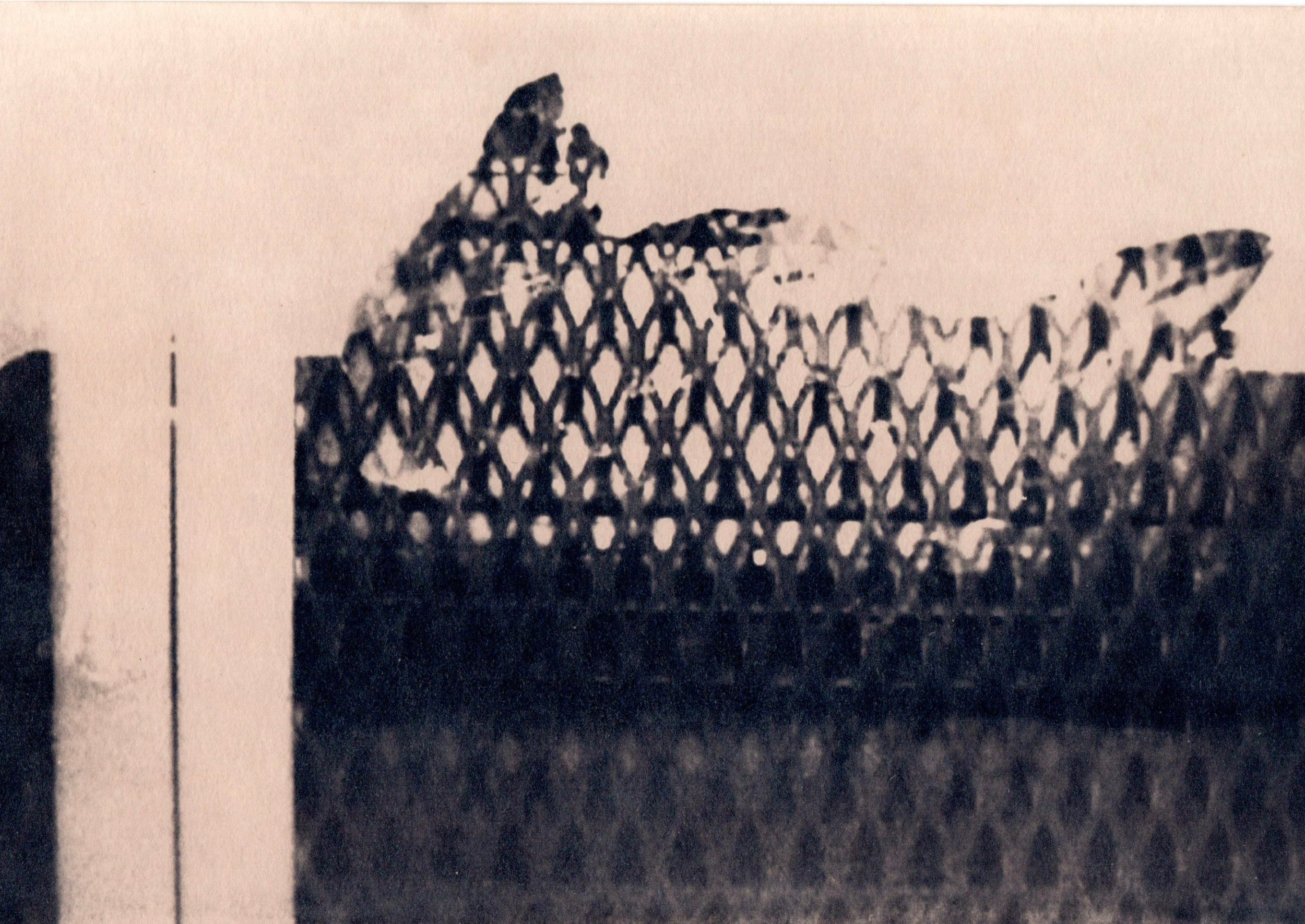
"Meet me Halfway." 4-5.
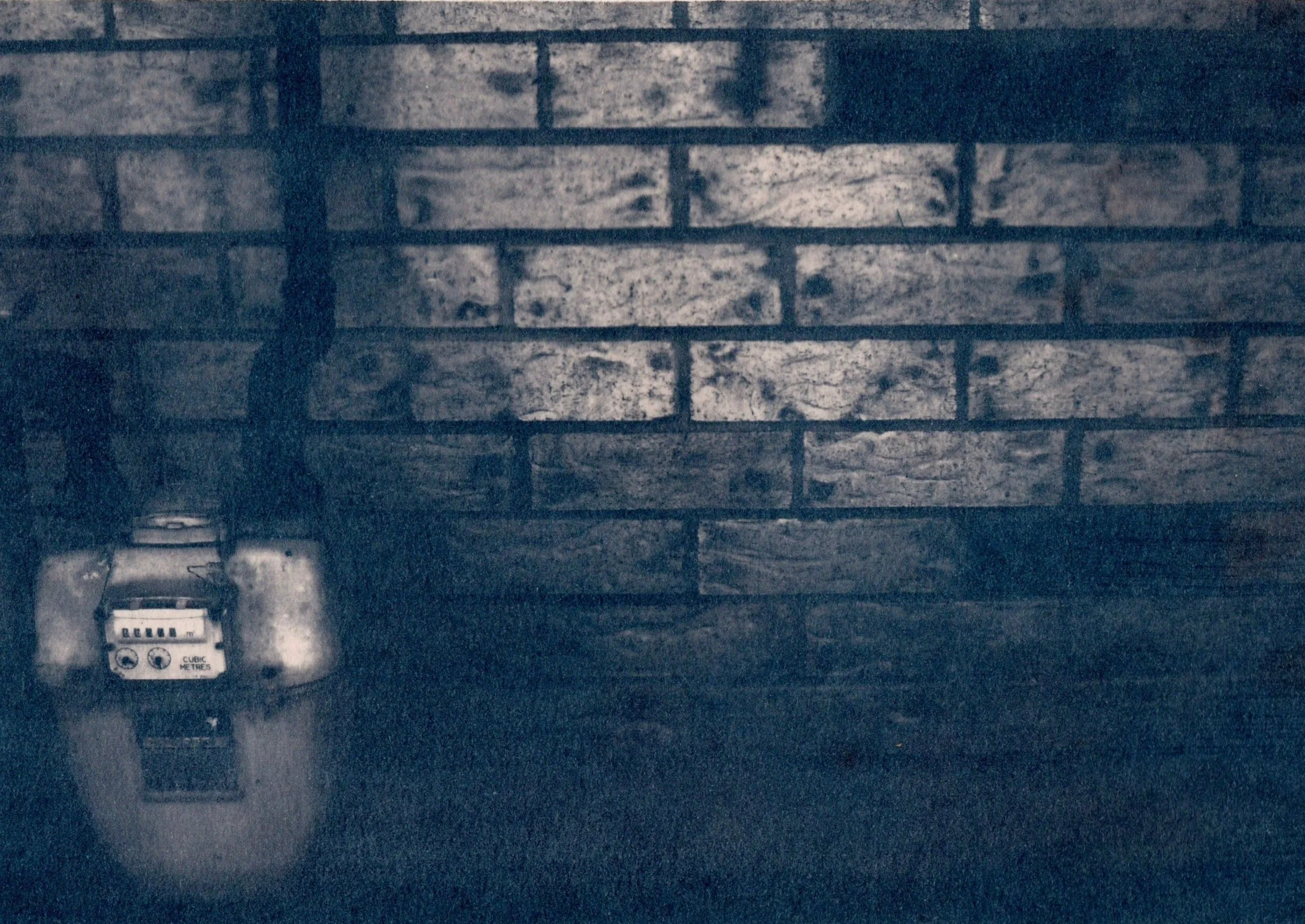
"Gas Meter." 6-7.
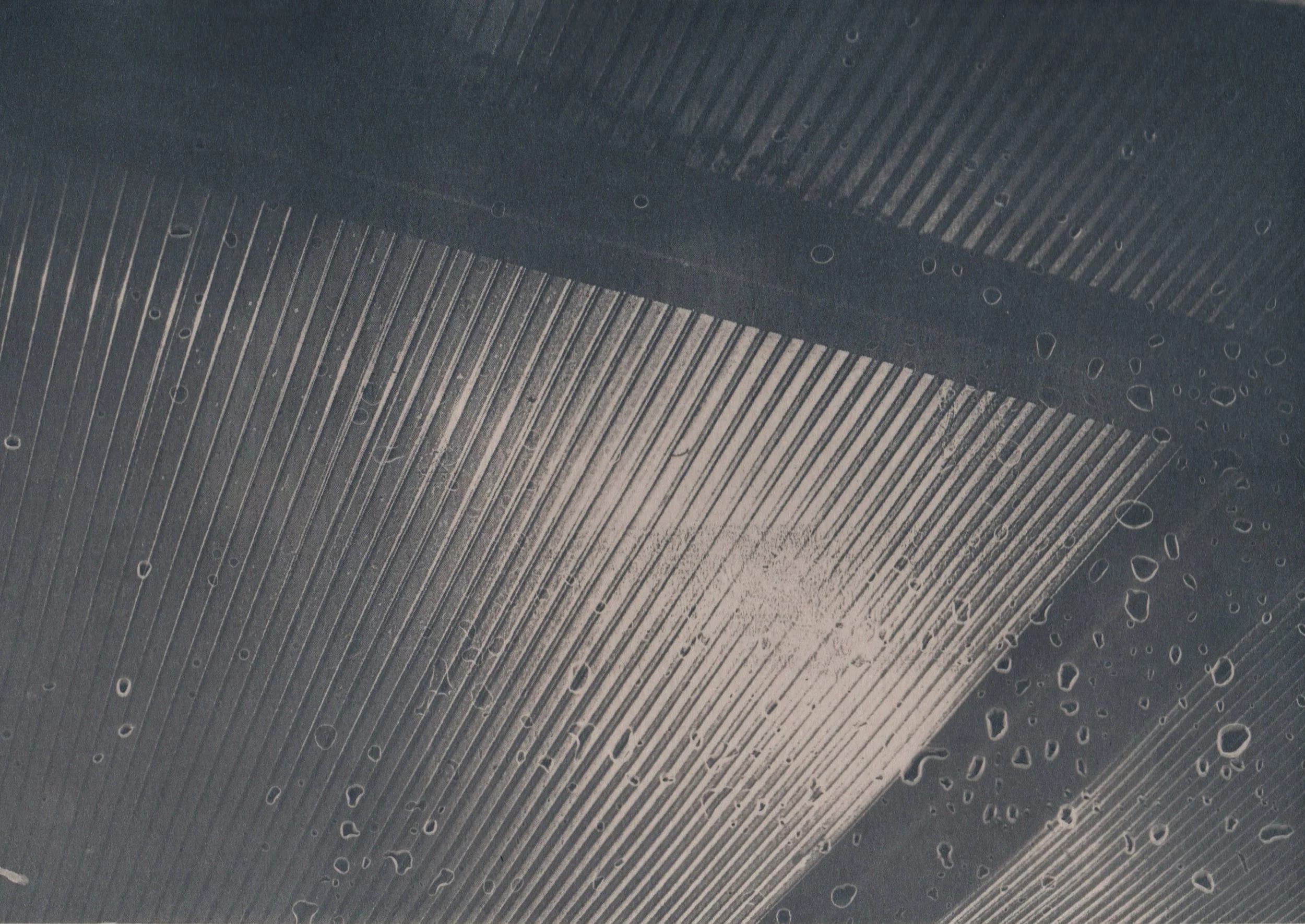
"What's Water to Glass." 8-9.
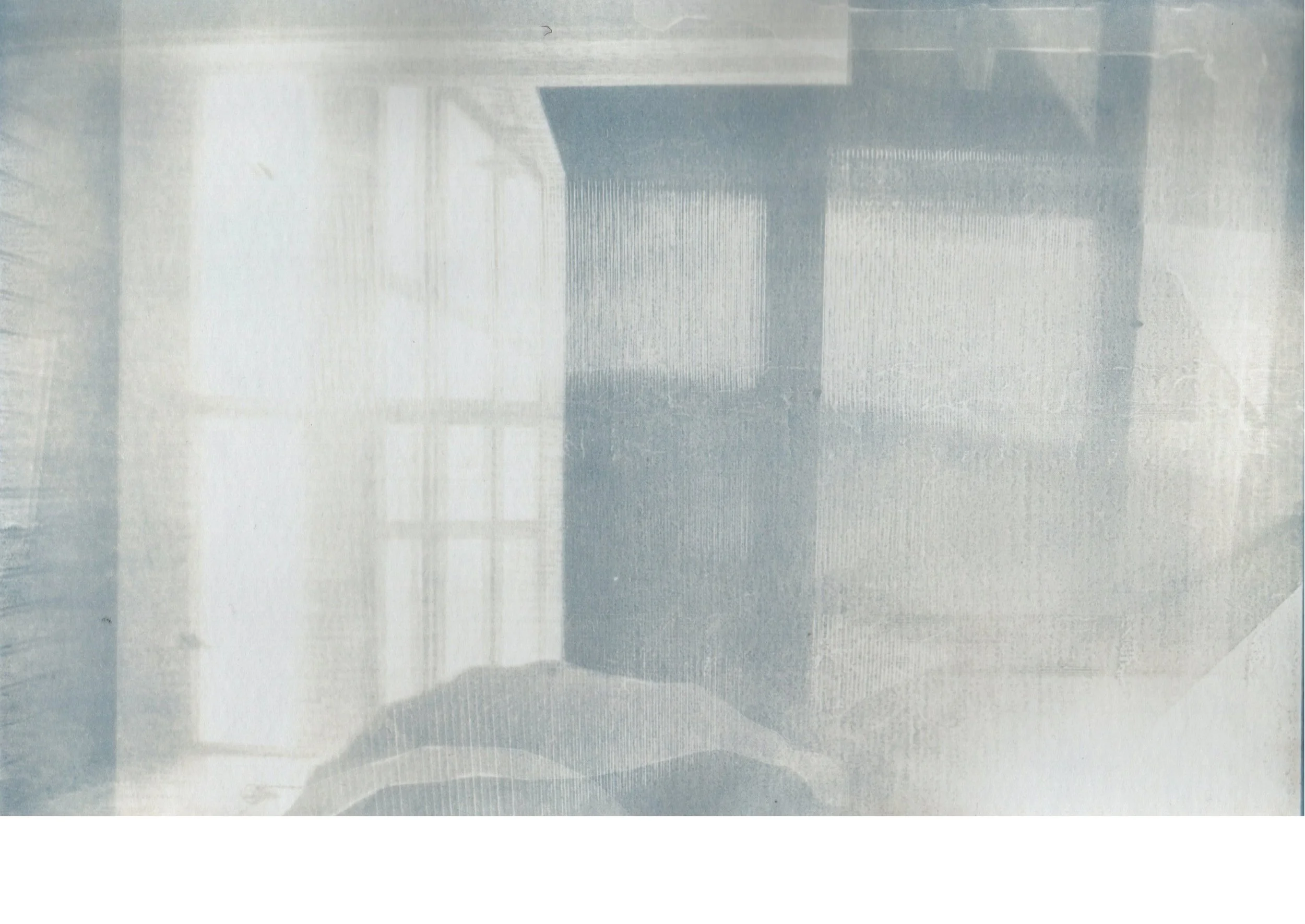
"To Remember." 10-11.
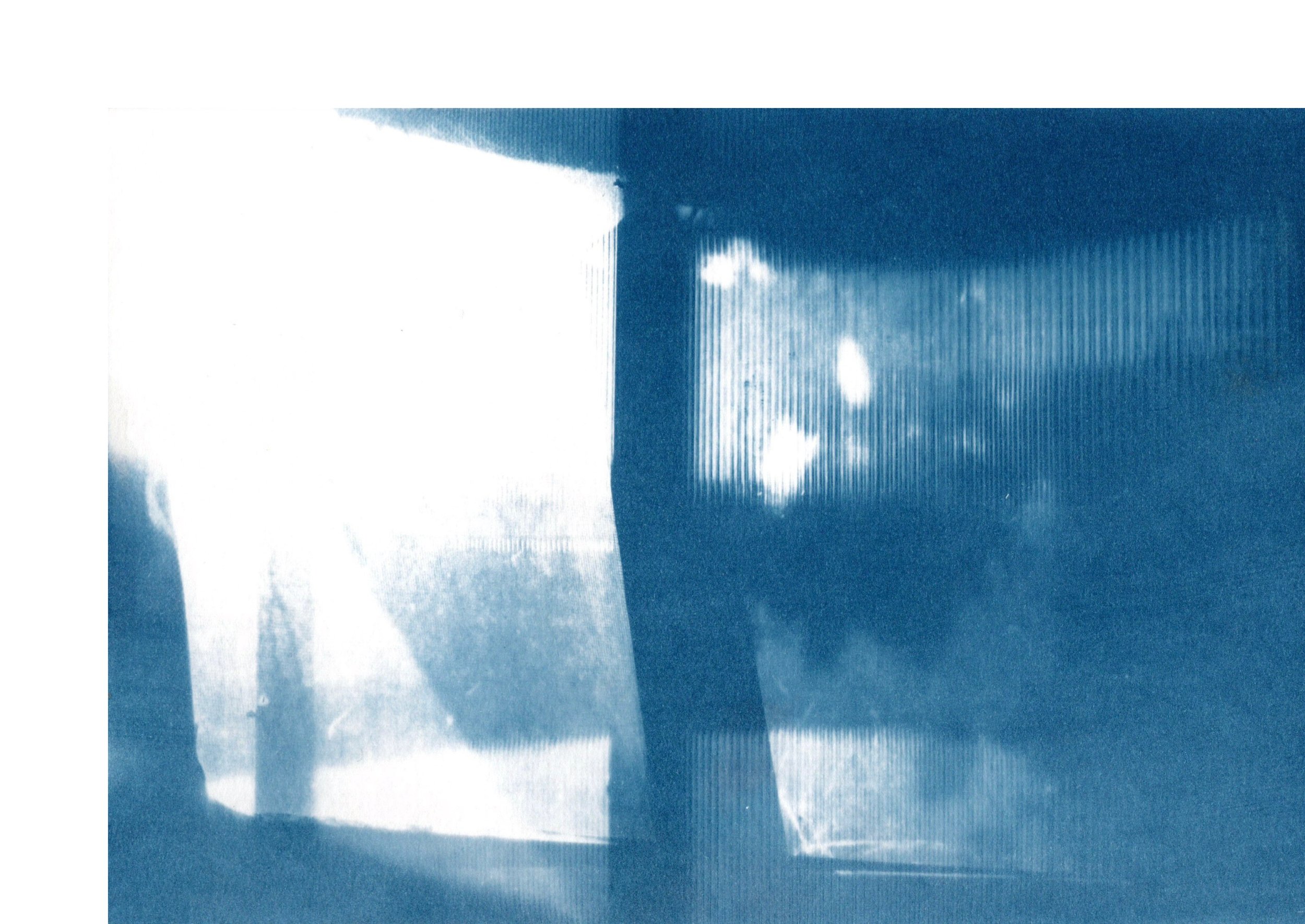
"To Feel." 12-13.
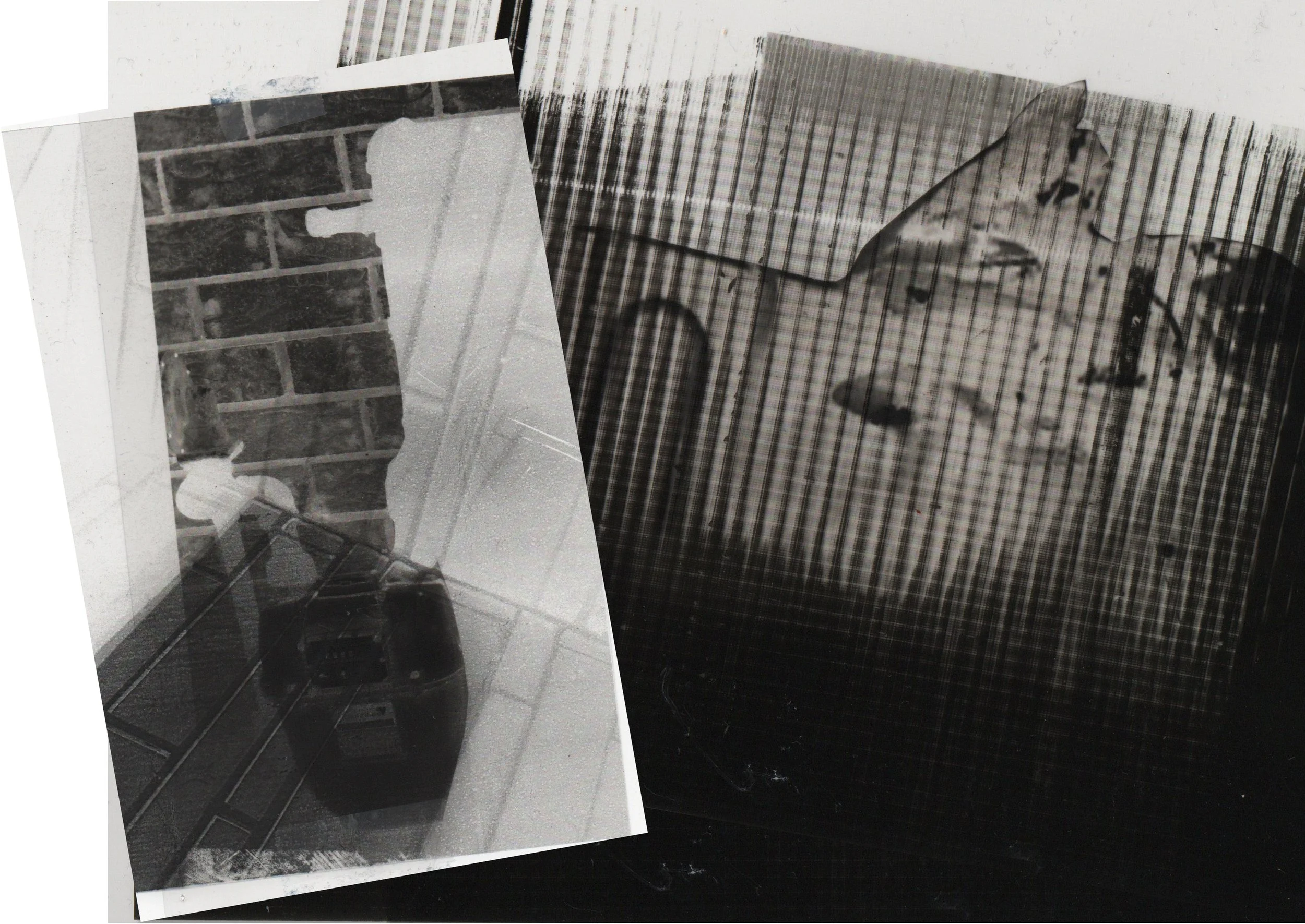
"Fractil no. 1." & "Fractil no.2." 14-15.
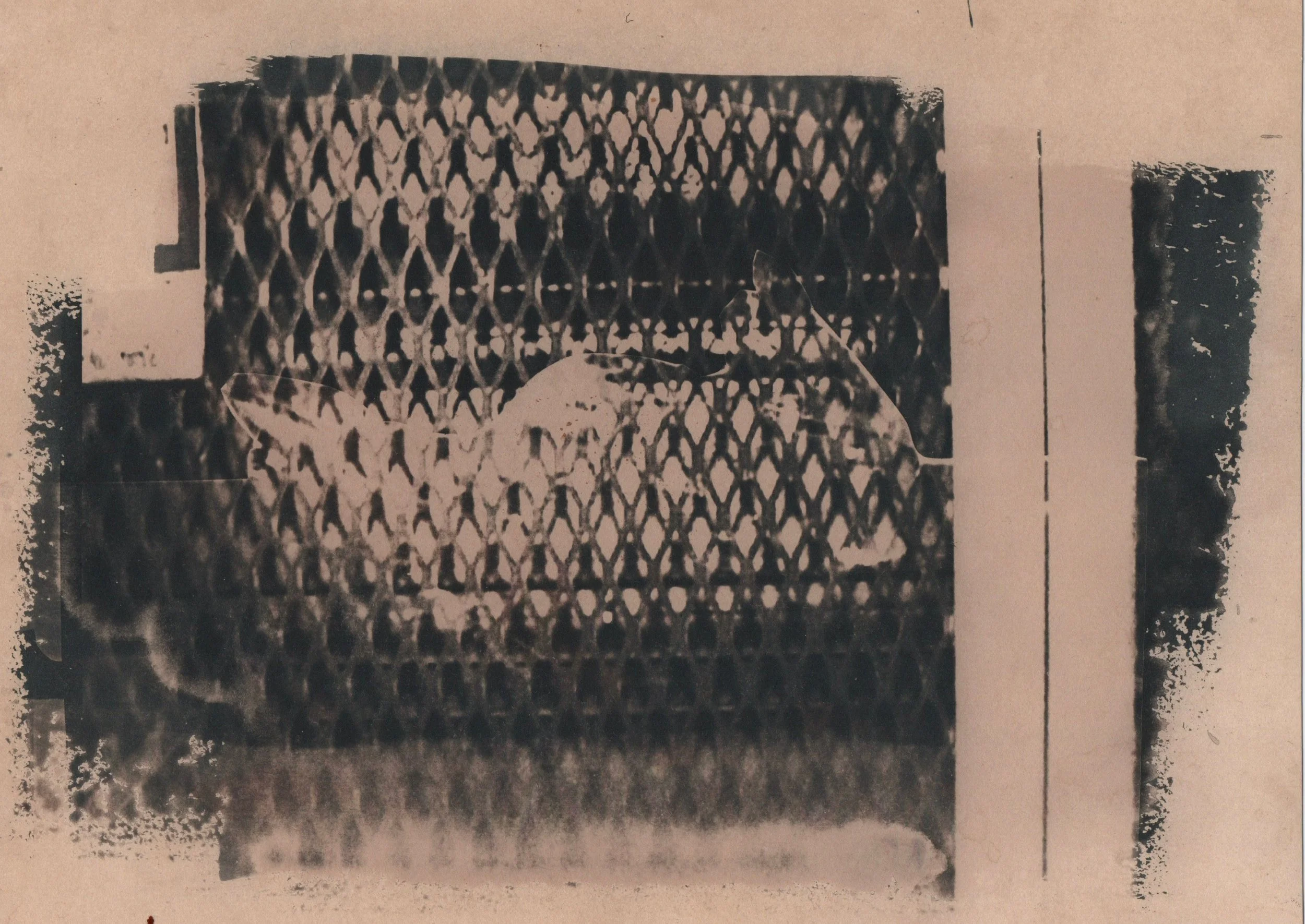
"It's Getting Late." 16-17.
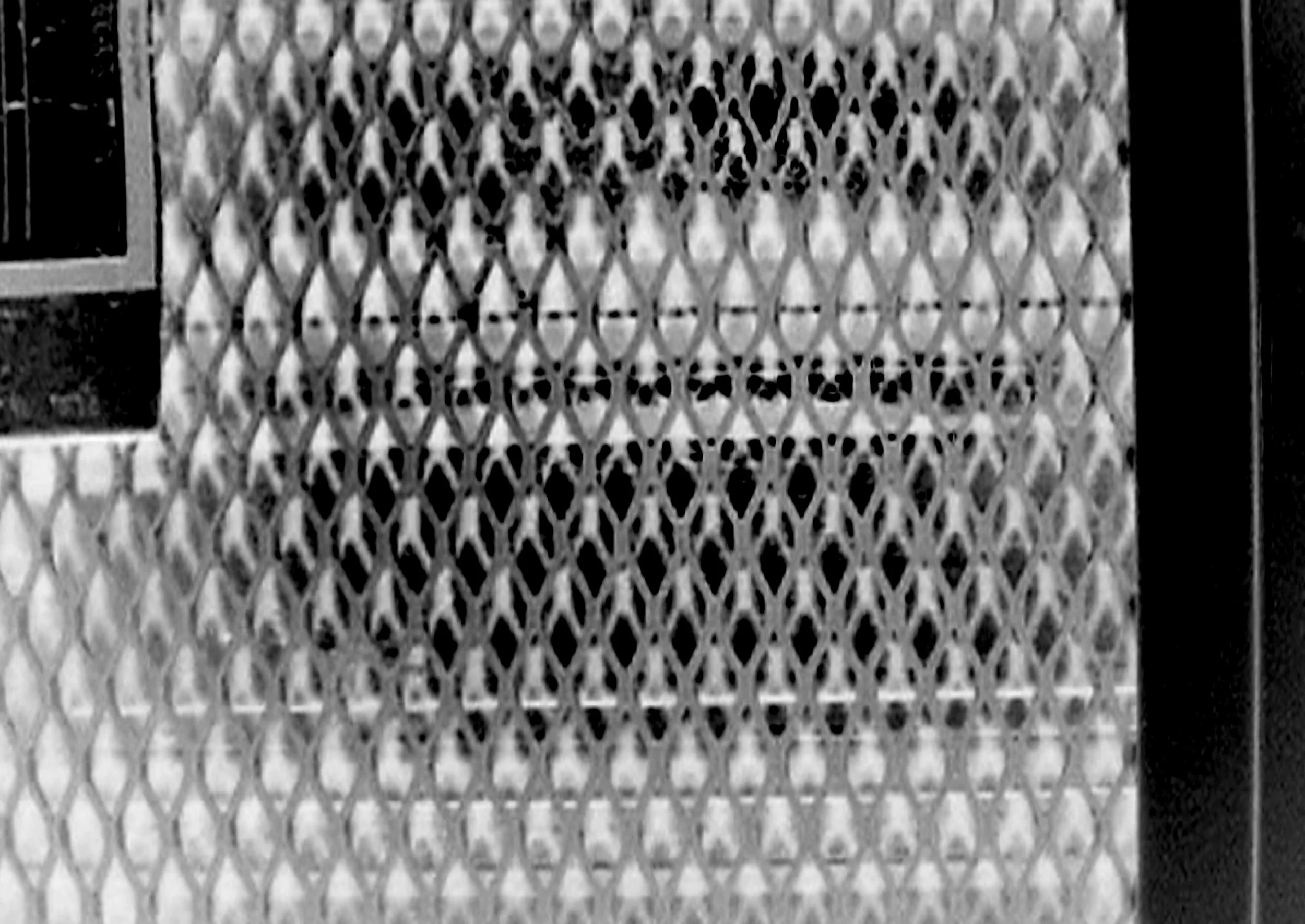
"Let's Lock Up." 18-19.
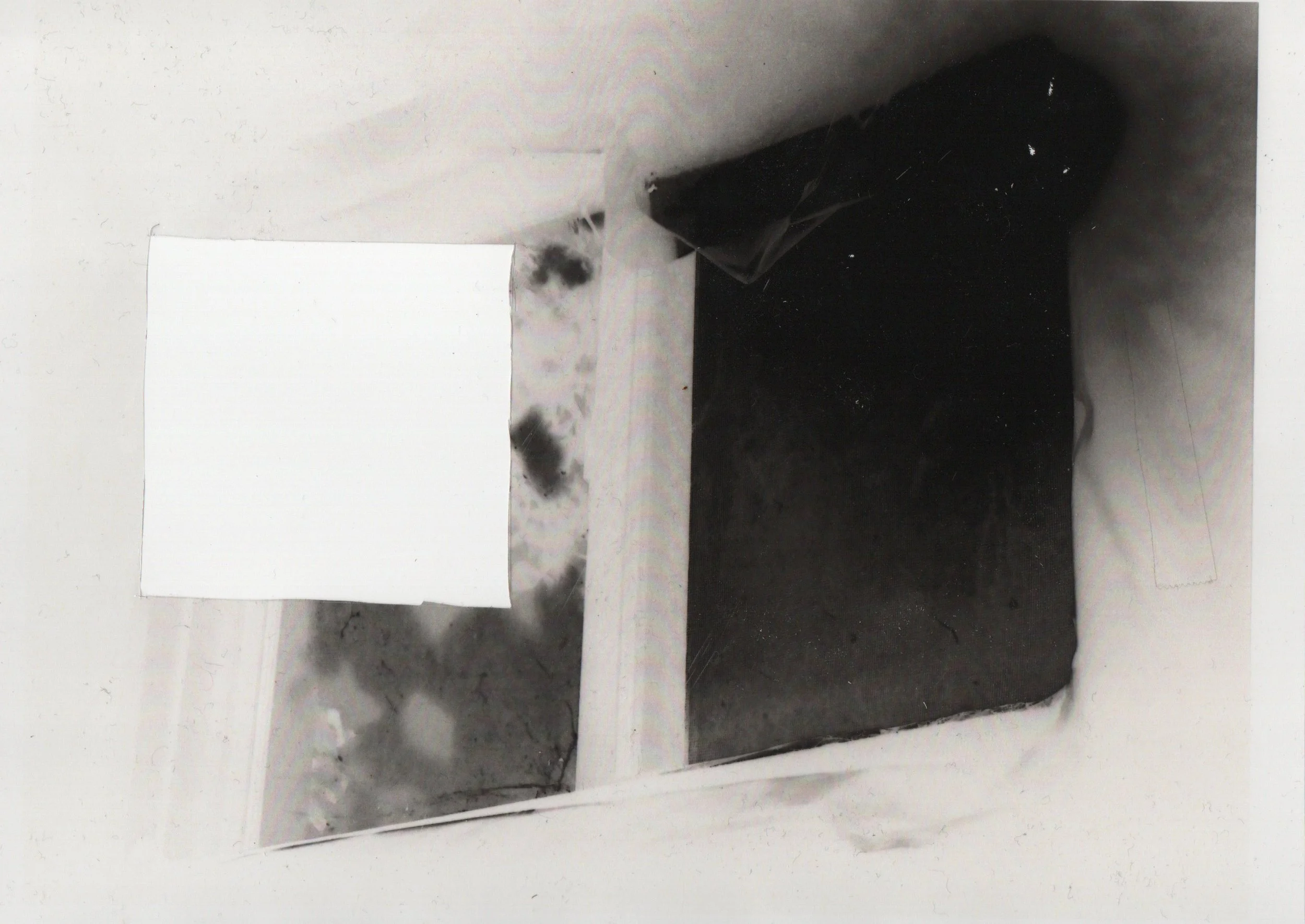
"Through Which I See." 20-21.
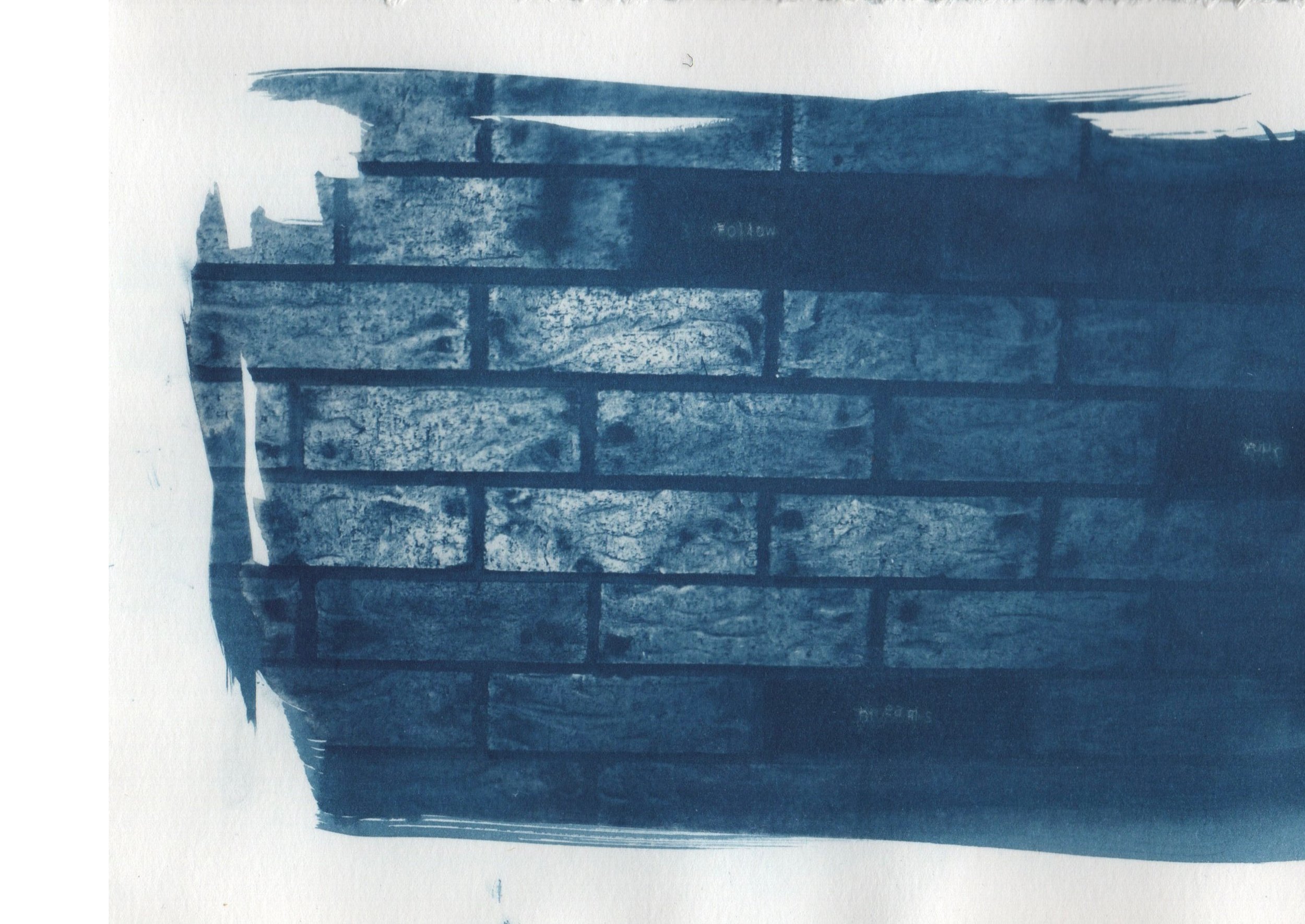
"Follow Your Dreams." 22-23.
'Michèle Lamy'
Andrew Billingslea. 09/2025.
[12”x18”]
-
For my interdisciplinary portrait project in FFC 705, one of the first subjects that came to mind when thinking of portraiture was French fashion designer Michèle Lamy. I’ve always been captivated by her self-expression through personal styling and design, and I wanted to experiment with how I can carry this notion of free expression and self into a handmade portrait collage.
The final piece took 10 hours to complete and features 37 thoughtfully cut and layered fragments from 7-8 portraits of Lamy by various photographers, laser-printed in black and white on printer paper, which reflects her dark aesthetic and texture/material-based styling. This abstract piece was compiled using Elmer's glue, acrylic paint, fine liners and clear tape; Pieces were cut using either paper scissors or an Exacto knife. Combining these media aims to foster a sense of connectedness and to reinforce her freedom of expression through various adornments on her subject, from a silk-like cloth on her left index finger to jewelry and textile layering throughout.